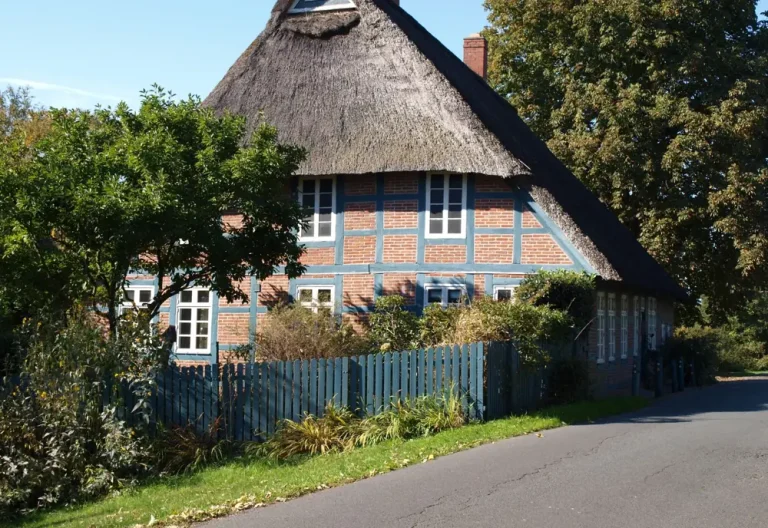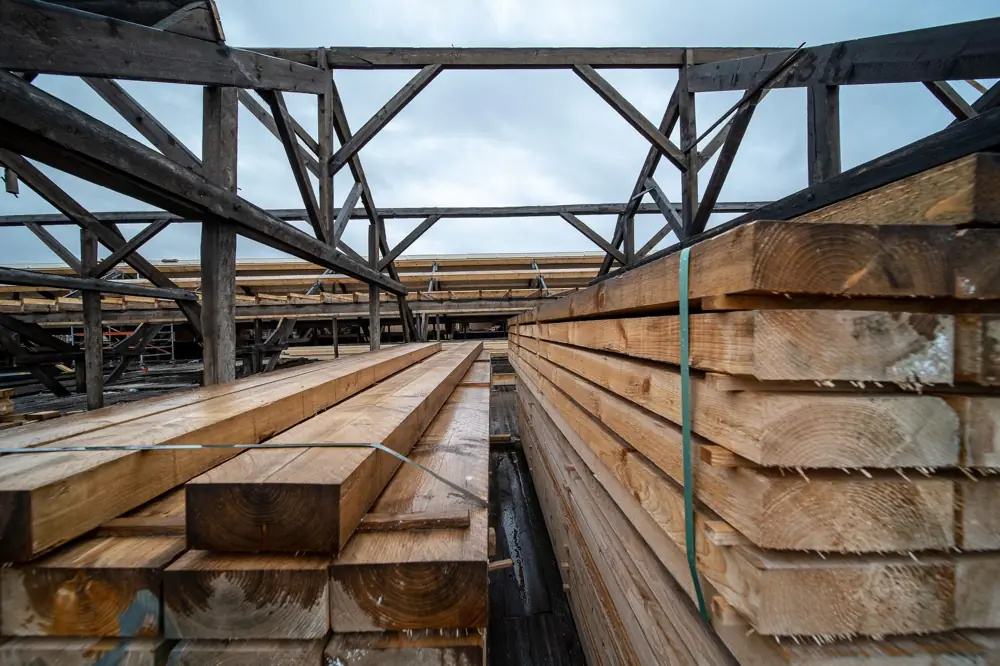
Timber Shade Sling vs Shade Sail Cost Backyard AU
By the Timber Decking Cost Guides Editorial Team — reviewed for accuracy. Last updated November 2026. This article is for informational purposes and reflects typical market pricing; verify current details with licensed contractors before starting any project.
The timber shade slings at $60-$120 per square metre against the sails at $40-$90 — a backyard shade comparison where the structure and the fabric price the honest coverage.
This guide prices the shade: the sling and the sail scopes, the posts, and the lifespans at the honest comparison.
Timber Shade Sling vs Shade Sail Cost Backyard AU — At a Glance for AU
The shade choice runs A$50–A$310 per square metre — the structure and the fabric carrying the range. This is a realistic planning number for Australia in 2026, not a marketing low-ball.
| Line Item | Typical Range (AUD) | What Drives It |
|---|---|---|
| Shade sail supply per m2 | A$50–A$110 | The fabric at the coverage |
| Timber sling frame per m2 | A$75–A$150 | The timber structure at the shade |
| Posts and footings | A$380–A$1,000 | The support at either path |
| Install labour | A$250–A$750 | The build at the rate |
| Fabric replacement cycle | A$10–A$19 | The years at the UV |
Understanding Timber Shade Sling vs Shade Sail Cost Backyard AU
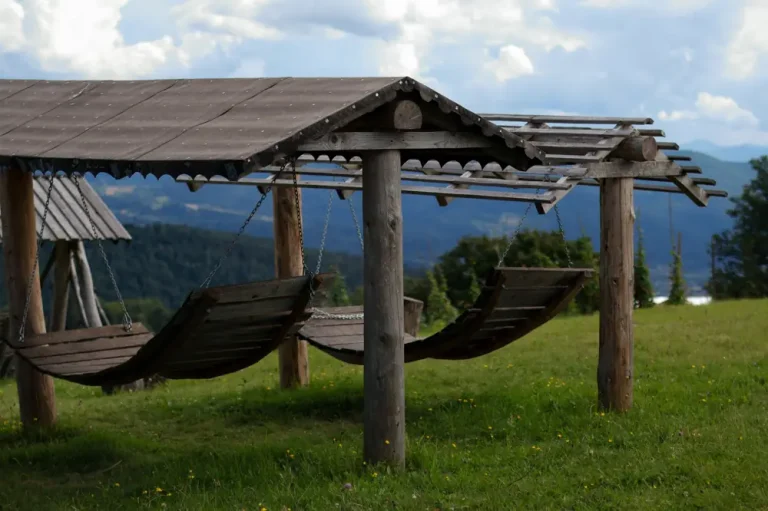
The sails at $40-$90 per square metre — the fabric at the coverage scope. The timber slings at $60-$120 — the frame at the character shade. The posts at $300-$800 serving either path honestly.
The looks at the trade-off: the sails at the clean curves and the colours; the timber slings at the architectural frame and the integrated shade honestly. The fabrics at the UV — the 8-15 year replacement cycles; the timber at the 15-25 year maintained frame. The coverage at the blockout: the 90-95% shade cloth against the 50-70% slings.
What Moves the Price Up or Down
The choice moves with the coverage, the look, the structure, and the lifespan.
| Factor | Cost Impact | Detail |
|---|---|---|
| Shade path choice | +30-55% | The sling against the sail |
| Coverage scope | +15-30% | The blockout at the fabric |
| Post structure | +20-35% | The timber against the steel |
| Height and span | +10-20% | The footings honest |
| Fabric tier | +10-20% | The UV at the grade |
Backyard Shade Options
Two paths serve the shade — the sail, the sling trading.
| Option | Description | Best For | Cost Level |
|---|---|---|---|
| Shade sail path | The fabric at the clean coverage | The budget backyards | $40-$90 per m2 |
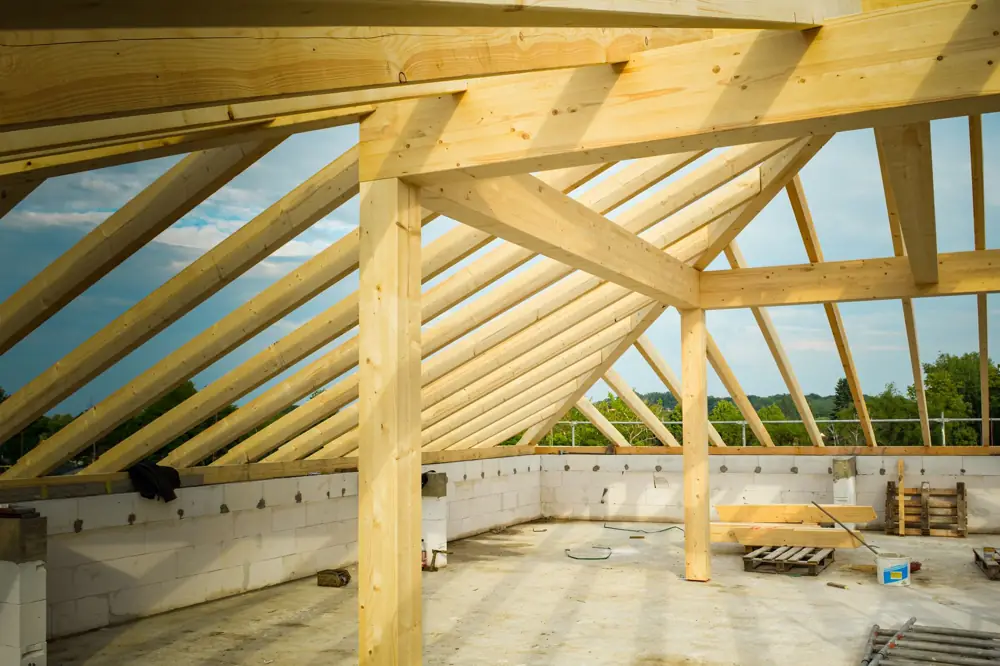
| Timber sling path | The frame at the character shade | The architectural builds | $60-$120 per m2 |
| Hybrid approach | The sail on the timber posts | The blended scope | The honest combination |
The sail serving the budget — the sling serving the character honestly.
Three Realistic Project Scenarios
The 24 m2 sail shade — A$1,620–A$3,750
A 6x4m sail at the posts.
- Sail and posts — A$1,000–A$2,250
- Labour — A$620–A$1,500
Why this matters: The sail path at the budget — the 24 m2 at the $2,150 total with the posts honest.
The 24 m2 timber sling — A$2,250–A$4,500
A frame shade at the same area.
- Sling and frame — A$1,500–A$3,000
- Posts and labour — A$750–A$1,500
Why this matters: The sling path at the character — the 24 m2 at the $2,700 total honestly.
The hybrid path — A$1,880–A$4,000
A sail on the timber posts.
- Hybrid scope — A$1,880–A$4,000
Why this matters: The hybrid at the blend — the 24 m2 at the $2,350 total with the honest combination.
The scenarios share the backyard scope — the path and the structure separating the totals.
Sample Budget Breakdown
The table below shows how a typical mid-range budget for timber shade sling vs shade sail cost backyard au distributes across materials, labor and compliance in Australia. Adjust the percentages to your own scope before using it as a savings target.
| Category | Estimated Amount | Explanation | Optimization Tip |
|---|---|---|---|
| Supply (fabric or frame) | A$1,000–A$3,000 | The path at the choice | The coverage at the m2 |
| Posts and footings | A$380–A$1,000 | The structure at the support | The concrete honest |
| Labour | A$620–A$1,500 | The install at the rate | The licensed path |
| Fabric cycle reserve | A$250–A$750 | The replacement at the years | The honest planning |
Every figure above is an indicative 2026 market range. Final quotes move with site conditions, contractor availability and the exact specification you lock in.
From Quote to Completion: the Typical Timeline
Most timber shade sling vs shade sail cost backyard au projects follow the same five-stage rhythm. Knowing the calendar before you sign prevents the two classic frustrations — feeling rushed into a deposit, and being surprised by a mid-project gap while materials arrive.
- Design and engineering — 2-4 weeks
- Fabrication — 2-6 weeks
- Install — 2-5 days
- Coating and handover — 1-2 days
- Design and engineering — 2-4 weeks
Smart Ways to Control the Budget
Cost control on timber shade sling vs shade sail cost backyard au is mostly about scope discipline and timing. These are the strategies that consistently deliver the largest savings:
Compare the kit against the custom at the size line
The kit pergolas at $1,800-4,000 serving the standard sizes; the custom at $4,000-9,000 at the odd footprints and the attached scopes. The size card deciding the path honestly.
Advantages:
- Directly reduces the controllable parts of the quote
- No impact on quality or compliance when scoped correctly
Disadvantages:
- The measurements before the showroom.
- Requires planning lead-time you may not have on urgent timelines
Specify the hardwood at the ground-contact scope
The merbau and the spotted gum at the in-ground and the post-mounted scopes — the H4 treatment at the pine posts pricing the durability path. The timber grade matched to the exposure at the spec stage.
Advantages:
- Directly reduces the controllable parts of the quote
- No impact on quality or compliance when scoped correctly
Disadvantages:
- The timber-use class verified at the order.
- Requires planning lead-time you may not have on urgent timelines
Price the screening per square metre, not per panel
The slat screens at $180-320 per square metre installed — the panel pricing hiding the post and the fixing labour. The square-metre rate comparing the quotes line by line.
Advantages:
- Directly reduces the controllable parts of the quote
- No impact on quality or compliance when scoped correctly
Disadvantages:
- The unit rate demanded at every quote.
- Requires planning lead-time you may not have on urgent timelines
Colour the structure against the facade, not the brochure
The oil and the stain tones at the $20-45 per litre deciding the streetscape match — the sample applied at the actual wall before the full order. The colour approved at the site, not the colour card.
Advantages:
- Directly reduces the controllable parts of the quote
- No impact on quality or compliance when scoped correctly
Disadvantages:
- Requires the brush-out sample at the two walls.
- Requires planning lead-time you may not have on urgent timelines
Permits, Rules and Safety
The shade structures at the height rules — the sails and the slings at the local lines honestly. The standard scopes at the exempt path at many councils.
- (‘Retaining wall threshold’, ‘$100-500’, ‘The 500mm-1m thresholds at the council rules — the engineering at the taller and the load-bearing walls.’, ‘The drainage scope reviewed at the wall permit.’)
- (‘Pergola and structure permit’, ‘$150-600’, ‘The attached structures and the larger freestanding builds at the municipal review — the span engineering at the oversized scopes.’, ‘The standard kit sizes often at the exempt path.’)
- (‘Fence permit’, ‘$0-300 typical’, ‘The boundary fences at the 1.8-2.0 metre local rules — the front fences at the stricter heights.’, ‘The neighbour sign-off at the shared boundary scope.’)
Maintenance and Long-Term Ownership Costs
The project price is only the first line of the budget. These recurring items are what owners in Australia actually spend money on after the crews leave:
| Task | Frequency | Typical Cost | Why It Matters |
|---|---|---|---|
| Screen and slat wash | Yearly | $80-250 | The dust and the grime at the slat surfaces — the coating lifespan extended at the clean routine. |
| Oil reapplication | Every 12-24 months | $6-12/sq m | The exposed structures at the weathering cycle — the vertical surfaces at the longer intervals than the horizontal. |
| Gate and hardware service | Yearly | $50-180 | The hinges, the latches, and the closes at the adjustment — the alignment preserved at the service. |
| Structure inspection | Yearly | $0-200 | The posts, the beams, and the fixings at the seasonal walk — the movement caught at the early stage. |
The fabrics at the 8-15 year replacement — the UV at the cycle. The timber at the oil at the 12-24 months honestly. The posts at the annual check.
Frequently Asked Questions
Are shade sails or timber slings cheaper?
The sails at $40-$90 per square metre against the slings at $60-$120 — the fabric at the honest budget path.
How long do shade sails last in Australia?
The 8-15 years at the UV exposure — the quality fabrics at the longer band honestly. The frames at the decades.
What is a timber shade sling?
The horizontal timber battens at the filtered shade — the architectural frame at the 50-70% coverage honestly.
Do shade structures need council approval?
The heights at the local rules — the standard backyard scopes at the exempt path at many councils honestly.
Which gives better UV protection?
The 90-95% shade cloth at the sails; the 50-70% at the slings — the coverage at the honest blockout read.
Summary
Planning timber shade sling vs shade sail cost backyard au in Australia starts with an honest range — A$50–A$310 for the scenarios most households actually install — then works backwards through the path that sets the band, the coverage that prices the fabric, and the frame that carries the character.
The sail serving the budget coverage — the sling serving the architectural shade honestly. Collect at least three itemised quotes, confirm the permit path before signing, and hold a 10–15% contingency for site surprises. Those three habits protect more budget than any product choice.